

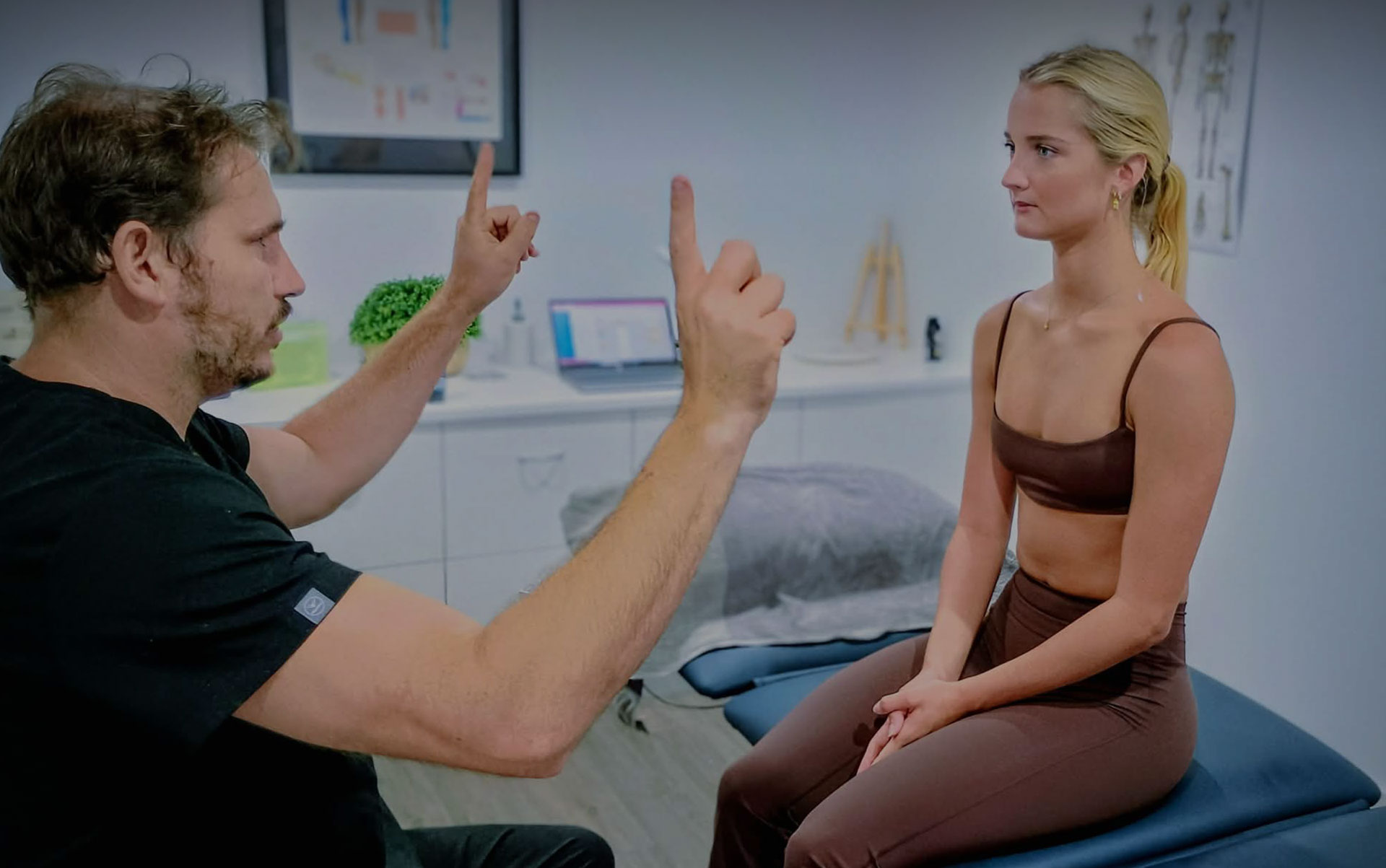

concussion and post-concussion care
Understanding Concussion Recovery
In simple terms, a concussion is a mild brain injury. It usually happens after a knock to the head or a sudden jolt to the body that causes the brain to move quickly inside the skull. Think of it as a temporary “glitch” in how the brain normally works—it needs a bit of time and the right care to get back on track.
What to Look Out For
Everyone experiences a concussion differently, and symptoms don’t always show up right away. You might notice:
- Physical signs: A headache that won’t shift, feeling a bit dizzy, or some neck achiness.
- Sensory changes: Feeling a little off-balance or finding that lights and sounds are a bit much.
- Thinking & Feeling: Feeling “foggy,” struggling to focus on tasks, or just feeling like things are moving in slow motion.
Getting Back to Your Best
The most important thing to remember is that recovery isn’t a race. Because no two concussions are the same, it’s really helpful to keep an eye on how you’re feeling over the first few days and weeks.
If you’ve had a bump or a fall, the best first step is to have a chat with a health professional. They can help you figure out what’s going on and give you a clear, personalised plan to get you back to work, sport, and daily life safely.
our services
Providing excellent & expert therapy service according to need


Post Concussion Syndrome
Post-concussion syndrome affecting physical, neurological, and movement function.
Read More

managing post-concussion symptoms
Support When Symptoms Don’t Resolve Quickly
For some people, symptoms can last longer than the usual recovery period. This is often described as persistent post-concussion symptoms.
In these instances, physiotherapy focuses on identifying your specific symptoms and discussing a management plan designed to support your physical function and gradual return to daily activities.
Potential Management Options Following a comprehensive clinical assessment, a management plan is tailored to your individual needs. Depending on your presentation, care may involve:
- Cervical Assessment: Evaluating the neck and using gentle manual techniques if appropriate.
- Balance and Vestibular Support: Exercises aimed at assisting with stability and movement.
- Graduated Activity Guidance: Helping you find a manageable pace for returning to exercise or work.
- Education: Providing information on pacing and how to monitor your symptoms during activity.
Every person’s response to care is different. Your plan is regularly reviewed and adjusted based on your progress and clinical findings to ensure it remains suitable for your recovery.


musculoskeletal physiotherapy
Treatment for Pain, Injury & Movement Challenges
In addition to concussion-related care, we offer comprehensive physiotherapy for conditions that affect muscles, joints and movement systems. Whether your concern is recent or ongoing, we use targeted assessment and active rehabilitation to support your recovery.
Common areas we treat include:
- Neck and back discomfort
- Shoulder, hip and knee pain
- Sports, work or everyday activity-related injuries
- Muscle strain and ligament challenges
- Postural and movement-related concerns
Your physiotherapy sessions may include manual therapy, movement-based exercises, strength and flexibility work, and practical advice to support day-to-day mobility.
our approach
Individualised,
Evidence-Based Care
We begin with a detailed assessment to understand your symptoms, functional goals and personal priorities. From there, your physiotherapist will design a bespoke care plan based on the latest clinical evidence and your daily activity needs.
Our care includes:
- Clear explanations and education
- Hands-on treatment techniques when appropriate
- Guided active rehabilitation and exercises
- Review of progress and care adjustments over time
We aim to be responsive to your needs, ensuring your plan remains appropriate and supportive throughout your recovery.


who we help
Physiotherapy for Concussion, Post-Concussion & Musculoskeletal Needs
We support a wide range of people, including:
- Adults and adolescents with concussion or post-concussion symptoms
- Individuals progressing through recovery after head injury
- Athletes working towards safe return to activity
- Office workers with neck, back or posture-related discomfort
- People with recurrent musculoskeletal pain or injury
- Anyone seeking structured, professional physiotherapy care
FAQ
Your physiotherapy questions answered with clarity

What is physiotherapy?
Physiotherapy is a healthcare profession focused on assessing, treating, and managing conditions that affect movement, function, and physical wellbeing. It may assist with conditions such as musculoskeletal pain, sports injuries, concussion and post-concussion symptoms, balance issues, and movement-related concerns.
Do I need a doctor's referral for physiotherapy?
In most cases, no referral is required to see a physiotherapist. You can book an appointment directly without seeing a doctor first. However, a referral may be needed in some situations, such as when claiming treatment through Medicare, workers’ compensation, third-party insurance, or certain private health funds.
How long does a physiotherapy session last?
Physiotherapy sessions typically run for 30 to 60 minutes, depending on the type of appointment and your individual needs.
How many sessions will I need?
The number of sessions required varies from person to person and depends on several factors, including the nature of your condition, how long symptoms have been present, and your recovery goals.
SCHEDULE AN APPOINTMENT
Book Your Consultation Session
